Disease Ecology Projects
We are interested in the impact of non-native species and human activities on disease spread and dynamics in wildlife populations. Here are some of our current projects.
Understanding Spread of Asian Longhorned Tick in North America and Europe
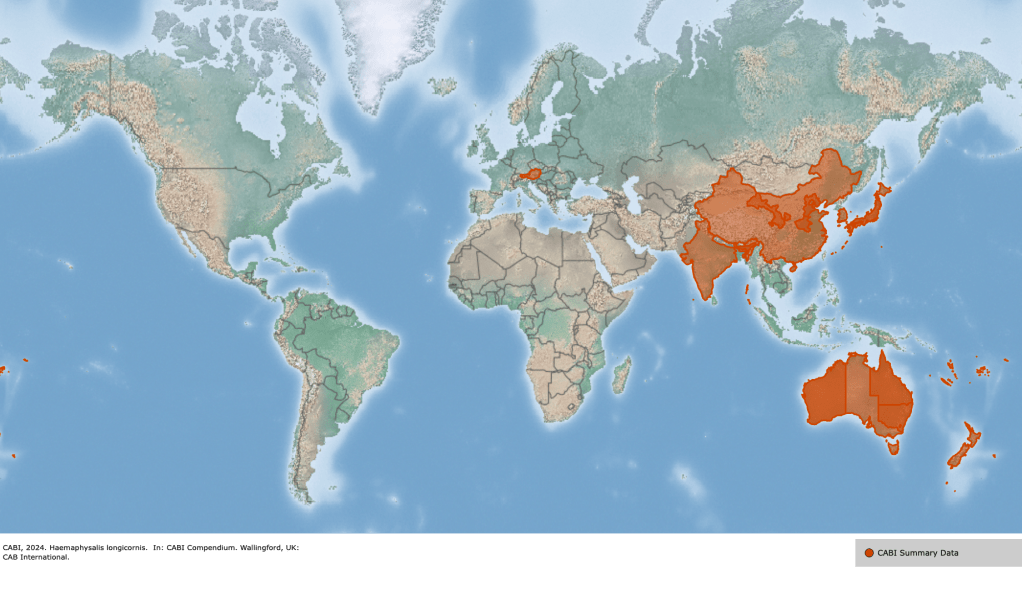
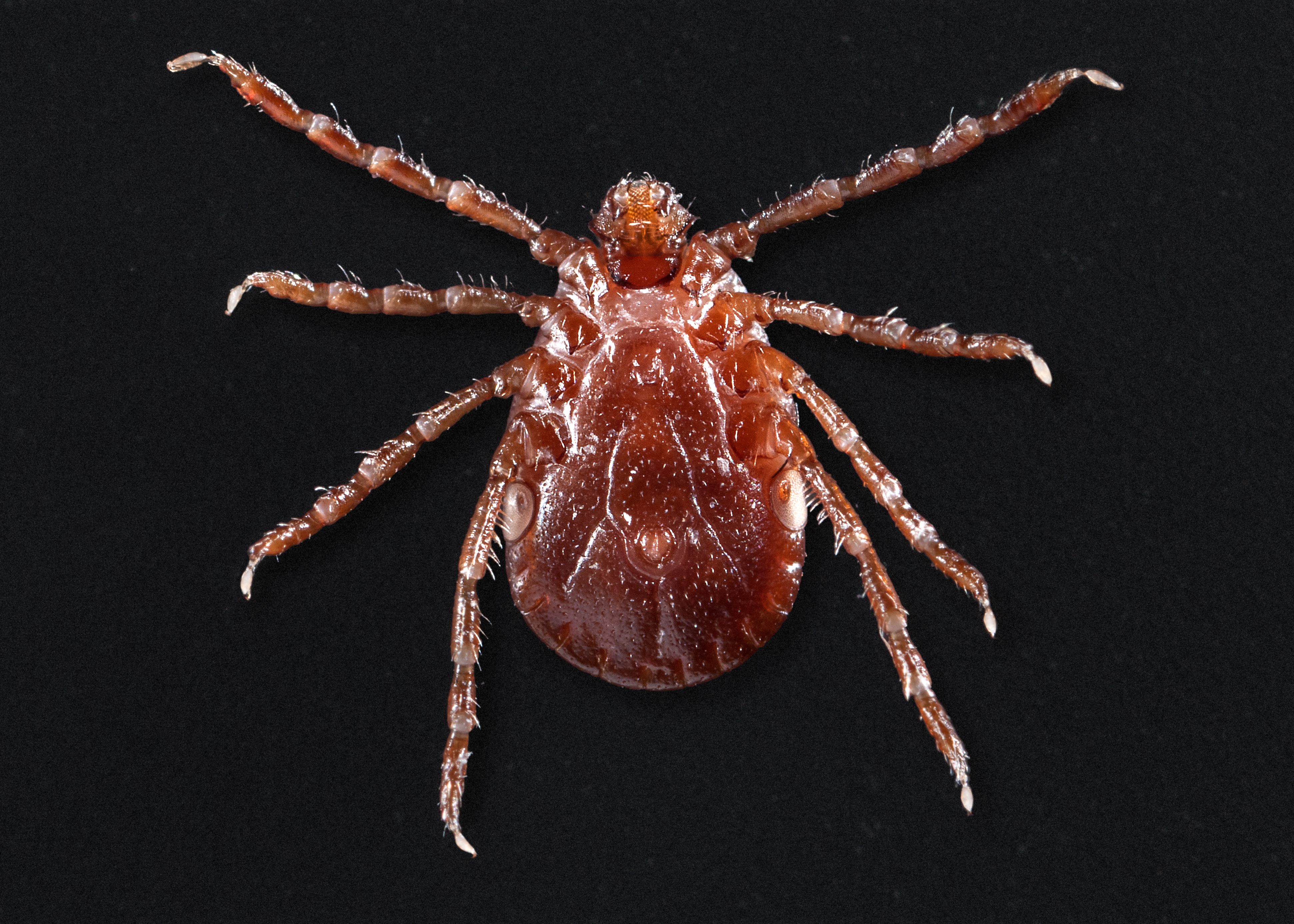
Human activities and environmental changes are redistributing species across ecosystems, introducing novel parasites and infectious diseases. This project aims to understand the persistence and establishment of the Asian longhorned tick, Haemaphysalis longicornis, (ALHT) in new environments by building a comprehensive dataset on ALHT, its hosts, and associated pathogens. We aim to predict the establishment and spread of this tick and related pathogens as climate across North America and Europe changes. This project is led by an interdisciplinary team, including experts in wildlife biology, parasitology, and AI.
Crowding and Disease Dynamics

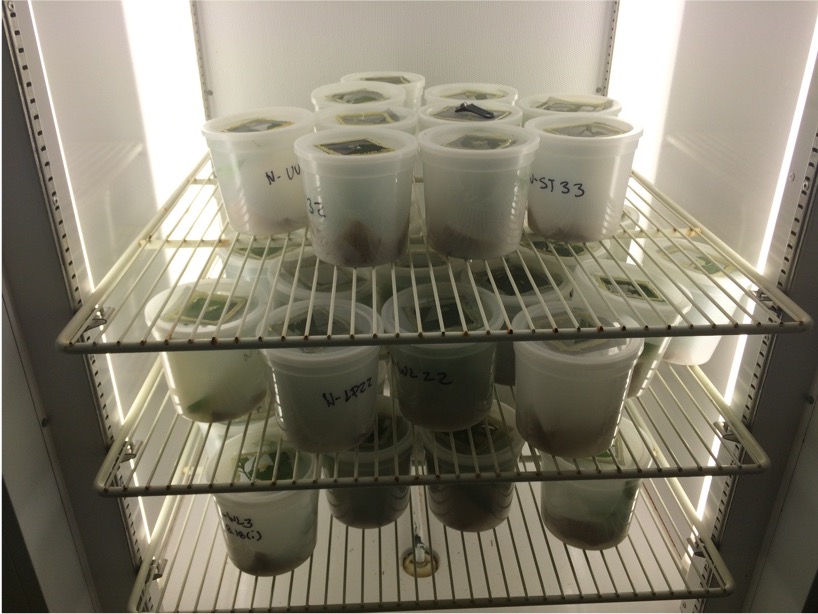
Some human activities result in aggregation of hosts in a small area. High host densities are expected to increase transmission rates due to greater proximity and contact rates. However, hosts at high densities can interfere with other hosts’ foraging and consumption via territorial, physical, and chemical interactions, resulting in the host interference effect. This project examines how crowding affects disease transmission in monarch butterflies which can be crowded when gardeners plant non-native milkweed. By rearing caterpillars at different densities and exposing them to varying doses of a protozoan parasite, we can examine how density changes infection prevalence. This work combines experimental and mathematical modeling work in collaboration with Emory University’s Dr. Jaap de Roode and Dr. Richard Hall from UGA’s Odum School of Ecology.
 The Majewska lab